

Blog / Grants Pass GMC Service

What to Do After an Accident: A Step-by-step Guide to Using Roe Motors' Collision Center

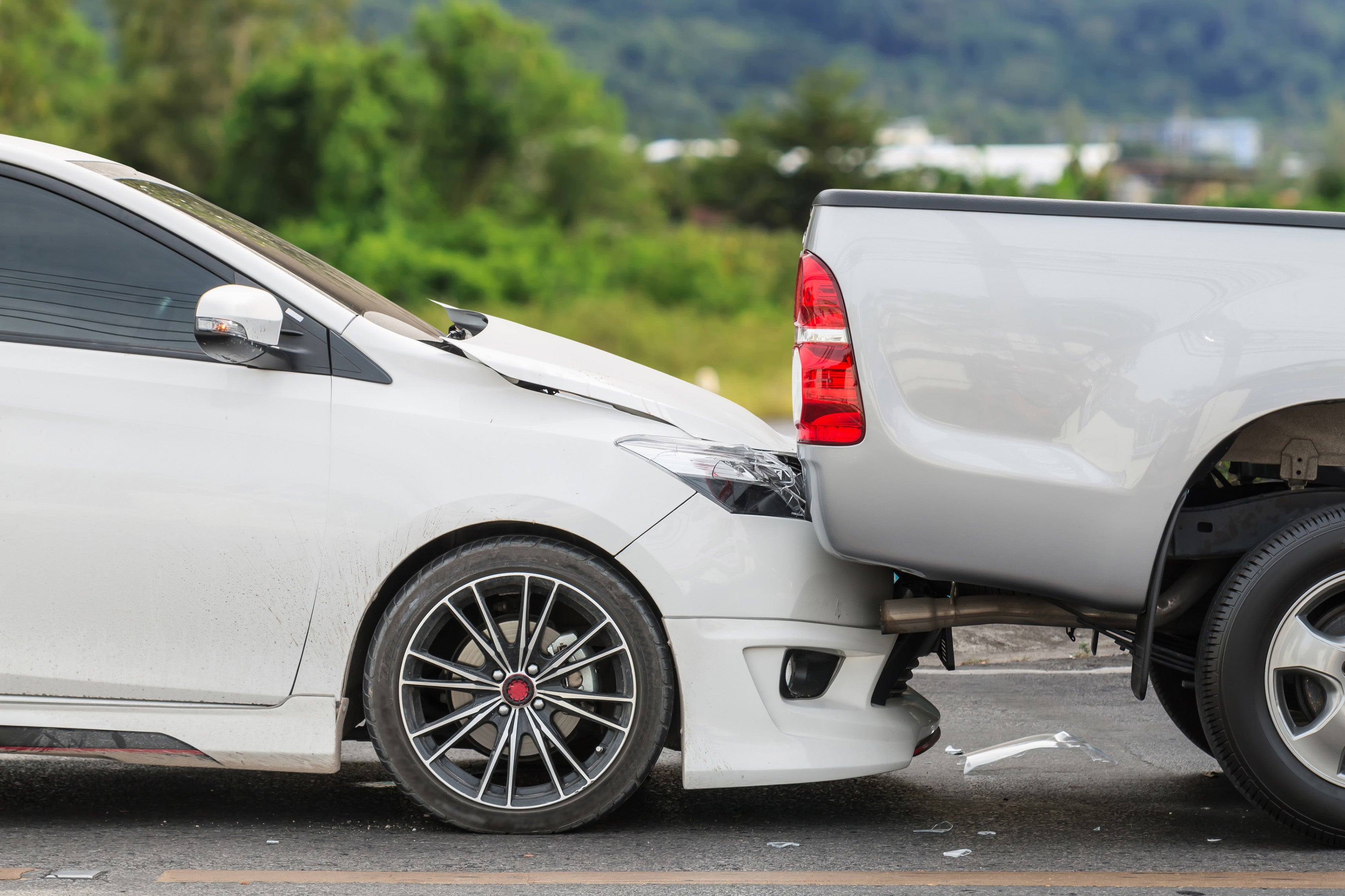
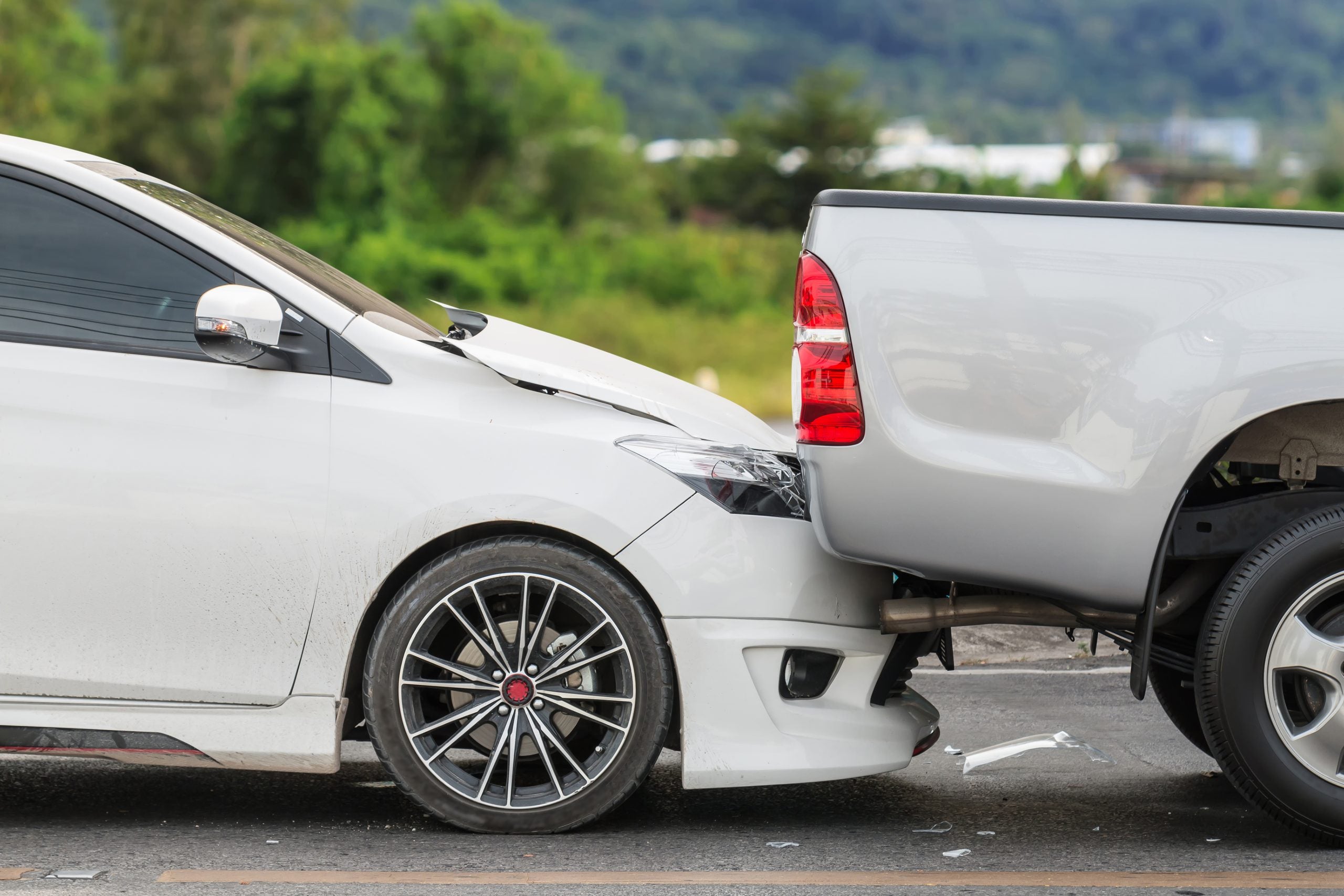
A white car rear-ended by a pickup truck, with visible damage to both vehicles.

Accidents occur, and knowing the correct steps is helpful. If a minor fender bender or a serious collision happens, Roe Motors' Collision Center in Grants Pass, OR, provides a resource to manage the situation. This guide lists the steps to take after an accident, and it describes how Roe Motors assists with the auto body repair process.

Immediate Steps to Take After an Accident

The moments after an accident can feel overwhelming, but these steps can help protect your safety and simplify the claims process.

  1. Prioritize Safety: Move to a safe location if possible and check for injuries. Call 911 if anyone needs medical attention.
  2. Document the Scene: Take photos of the vehicle damage, the accident location, and any relevant details. Exchange insurance and contact information with the other driver.
  3. File a Police Report: Even after a minor accident, an official report can be helpful when working with your insurance company.
  4. Contact Your Insurance Company: Report the accident and begin the claims process as soon as possible.

Once these steps are complete, the next priority is getting your vehicle inspected and repaired.

Why Choose Roe Motors' Collision Center in Grants Pass?

Roe Motors’ Collision Center helps drivers with everything from small dents and scratches to more involved collision repairs. The team can inspect your vehicle, explain the repair process, and help you understand the next steps.

  • Certified Technicians: The team works on multiple makes and models, and they ensure high-quality repairs.
  • Modern Repair Equipment: The collision center uses professional tools and equipment to help restore your vehicle properly.
  • Insurance Assistance: Roe Motors works with insurance companies to manage claims, which saves time for the driver.
  • Customer-focused Approach: The center provides estimates, and the staff keeps drivers informed during the repair process.

Understanding the Auto Body Repair Process

The auto body repair process at Roe Motors' Collision Center follows an organized sequence. Drivers can expect these 5 steps:

  1. Damage Assessment: Technicians inspect the vehicle to determine the amount of damage.
  2. Estimate Preparation: A detailed estimate outlines the repairs and costs.
  3. Insurance Coordination: Roe Motors works with insurance providers to manage approvals and payments.
  4. Repair Work: The team completes the necessary body, paint, or structural repairs based on the vehicle’s needs.
  5. Final Inspection: The team conducts a quality check to ensure all repairs meet standards.

This process saves time, and it provides peace of mind because the vehicle is in expert hands.

How Roe Motors Supports Drivers in Grants Pass, OR

Roe Motors’ Collision Center provides local drivers with a convenient place to turn after an accident. From the first inspection to the final repair check, the team is here to help make the process easier. If your vehicle has been damaged in an accident, contact Roe Motors’ Collision Center in Grants Pass, OR, to schedule an estimate and take the next step toward getting back on the road.
Posted in:

Related Posts

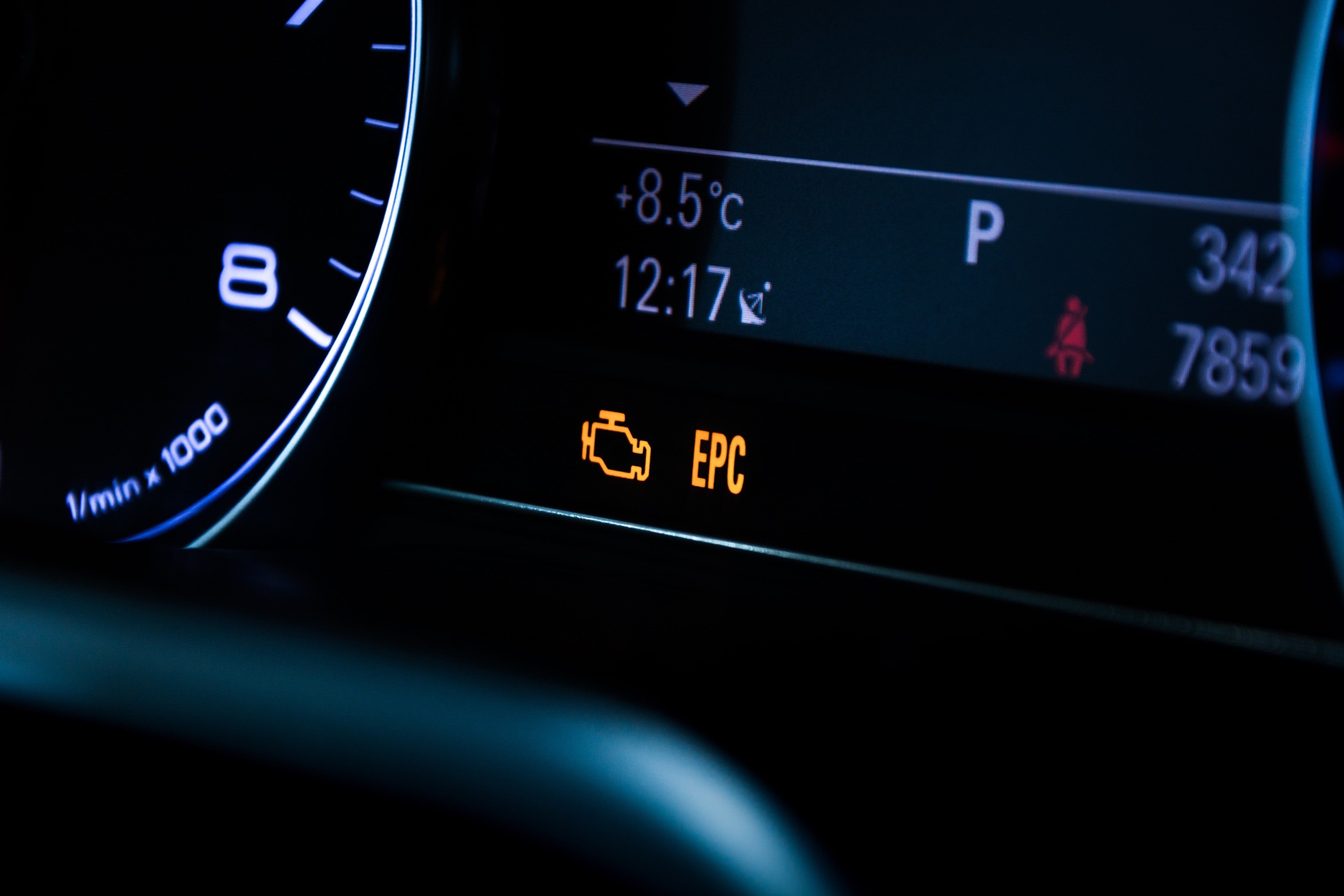
Dashboard warning light display

GMC Warning Lights Explained: Your Truck or SUV Is Trying to Tell You Something

A warning light isn't there to decorate the dashboard. Your GMC monitors systems throughout the vehicle, and when something falls outside the expected range, that little illuminated symbol is often your first indication. Some GMC warning lights point to maintenance concerns that need attention soon. Others are telling you to stop driving before a problem becomes considerably more expensive. Knowing the difference can save you some trouble around Grants Pass. Color Gives You the First Clue The color of a GMC dashboard warning can help indicate its urgency, though the owner's manual should always be your reference for the specific symbol. Red warnings can indicate conditions requiring immediate attention, while yellow or amber indicators commonly identify something that needs to be inspected or serviced. Don't assume every yellow light means you can carry on indefinitely, though. A warning light is information, and ignoring information rarely improves a mechanical problem. Know the Warning Lights You're Likely to See The check engine light can illuminate for numerous reasons involving the engine, fuel, emissions, or related systems, so proper check engine light diagnostics may be needed to identify the cause. An oil-pressure warning is more urgent because insufficient oil pressure can put the engine at risk; if it illuminates while driving, stop safely and follow the guidance in your owner's manual. A battery symbol can indicate a charging-system problem, while the brake warning can appear for conditions involving the parking brake or braking system. The Tire Pressure Monitoring System warning identifies low tire pressure or, in some cases, a TPMS concern. Different symbols, different systems, and very different consequences if they're ignored. A Diagnostic Code Isn't the Entire Diagnosis Modern GMC service diagnostics can retrieve trouble codes stored by the vehicle's onboard systems, but finding a code is only the beginning. The technician still has to determine why that code appeared. Depending on the warning, that may involve testing components, checking electrical connections, inspecting fluid levels, or reviewing vehicle data. That's why simply clearing a check engine light doesn't repair anything. Professional vehicle diagnostics are intended to find the source of the warning so the correct service can be performed instead of replacing parts based on a guess. Some Warnings Mean Stop, Others Mean Schedule Service When a GMC warning light appears, identify the symbol and pay attention to how the vehicle is behaving. If you have a red warning, loss of power, unusual noises, smoke, overheating, or another significant change in operation, get somewhere safe and consult your owner's manual before continuing. Other warnings may allow you to drive to a GMC service center, but they still deserve timely attention. A check engine light, low tire-pressure warning, battery concern, or brake-system indicator isn't improved by spending another month glowing on the dashboard. Routine Service Can Catch Trouble Before the Light Appears Warning lights are valuable, but maintenance shouldn't begin only after one illuminates. Regular GMC service gives technicians opportunities to inspect the battery and charging system, brakes, tires, fluids, filters, and other components before a developing issue leaves you with a dashboard full of bad news. Keeping current with oil changes, tire service, brake inspections, battery testing, and factory-recommended maintenance can also provide a clearer picture of how your GMC is aging. Schedule GMC Diagnostics in Grants Pass, OR If a warning light has appeared in your GMC, Roe Motors can help determine what the vehicle is trying to tell you. Drivers around Grants Pass, OR, can schedule GMC service diagnostics, check engine light service, brake inspections, battery testing, tire service, and other maintenance through the service department. Pay attention to the warning, check the owner's manual, and get the problem properly diagnosed. The light is the messenger. Fixing what's behind it is the important part.

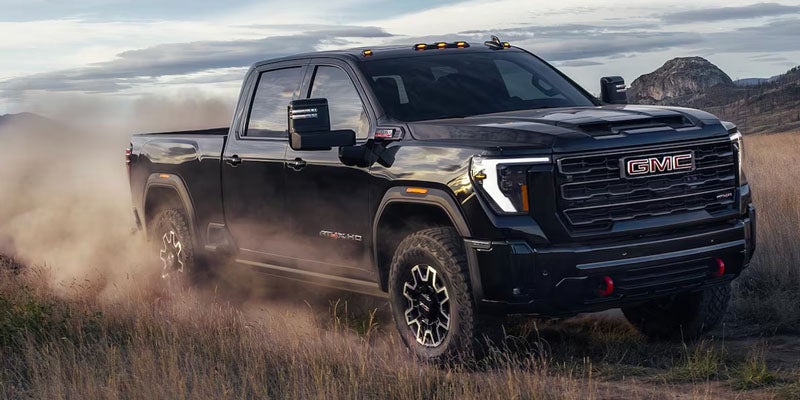
GMC Sierra 3500 HD pickup driving off-road through dust.

2026 GMC Sierra 3500 HD Trim Levels: Choosing the Right Heavy-Duty Truck

Tackling serious work requires a truck built for the job. The 2026 GMC Sierra 3500 HD delivers immense capability and numerous configurations to match your specific demands. Drivers seeking a heavy-duty work rig or a luxury-loaded hauler will find the perfect fit at Roe Motors in Grants Pass, OR. Contact our team today to discover which model suits your lifestyle. Understanding the 2026 GMC Sierra 3500 HD Trim Levels The 2026 GMC Sierra 3500 HD lineup serves a wide range of buyers. If you run a business, tow a fifth-wheel trailer, or simply desire maximum capability, a specific trim matches your needs. Each upgrade adds elevated comfort, technology, and convenience features. Pro: The Work-Ready Starting Point The Pro trim provides a solid, capable foundation without unnecessary extras. Buyers receive dependable powertrain options and essential trailering technology, making this entry-level model a reliable performer. SLE: Adding Everyday Comfort Building on the Pro, the SLE trim introduces enhanced interior finishes and additional driver assistance technologies. Drivers using their truck for both daily commutes and heavy labor appreciate this well-balanced model. SLT: A Step Into Premium Territory The SLT trim delivers a notably refined experience. Upgraded materials and a larger touchscreen give the cabin an upscale feel. This model expertly bridges the gap between a rugged work truck and a comfortable personal vehicle. AT4: Built for Off-Road Confidence Adventure-ready drivers choose the AT4 trim to conquer rugged terrain around Grants Pass, OR. This model combines specialized off-road equipment with legendary heavy-duty towing capability. Denali and Denali Ultimate: The Flagship Experience The Denali and Denali Ultimate represent the premium tier of the lineup. These flagship models combine serious power with an elevated interior featuring premium materials and advanced displays. Select configurations offer Super Cruise hands-free driving technology. The Denali Ultimate adds exclusive luxury touches for the ultimate driving experience. How to Choose the Right Trim for You Selecting the ideal Sierra 3500 HD depends entirely on your daily demands. Business owners needing a reliable workhorse gravitate toward the Pro or SLE. Those towing heavy loads while desiring cab refinement prefer the SLT or Denali. Off-road enthusiasts consistently choose the AT4. Prioritize your most important features to find your perfect match. Visit Roe Motors to Explore the Sierra 3500 HD Lineup The 2026 GMC Sierra 3500 HD delivers exceptional value and capability across every trim level. You might prefer the straightforward utility of the Pro or the premium luxury of the Denali Ultimate. Stop by Roe Motors in Grants Pass, OR, or browse our online inventory to find the ideal heavy-duty truck for your next job.

White sedan rear-ended by a pickup truck in a collision.

How Long Does Collision Repair Take? What Grants Pass Drivers Should Know

If you've recently been in an accident, one of the first questions on your mind is probably how long collision repair takes. There’s not one firm answer to that question. The length of time it takes to repair your car after a collision depends on several factors, and understanding what drives that timeline can help you plan and reduce stress. Drivers in Grants Pass, OR can use this guide to set realistic expectations before dropping off their vehicle. What Affects the Auto Body Repair Timeline Any auto body repair timeline varies based on the extent of the damage, parts availability, and how busy the shop is. Minor repairs - like small dents or surface scratches - might take just one to three days. More significant structural damage or paintwork can extend that timeline to one or two weeks, sometimes longer. A key part of any collision repair process is the initial estimate and damage assessment. Technicians need to inspect the vehicle thoroughly before any work begins, and hidden damage often isn't visible until panels are removed. That inspection can add time to the overall schedule. How Long Does Collision Repair Take for Common Damage Types Not all damage is the same, so understanding how long collision repair takes for specific situations can be helpful. Here's a general breakdown: Minor fender benders with cosmetic damage typically take two to four days. Moderate damage involving structural components or multiple panels can take one to two weeks. Severe damage - where the frame or safety systems are compromised - may require three weeks or more, especially when specialty parts need to be ordered. Insurance approvals are another thing that can stretch the repair timeline. Once an adjuster reviews the vehicle and authorizes the work, repairs can officially begin, but that review process takes time. Parts Availability and Its Impact on Collision Repair One of the most common reasons for delays at any collision center is waiting on parts. Some vehicles, particularly newer models or those with advanced driver-assistance systems, may require parts that aren't stocked locally. When parts need to be shipped, that adds anywhere from a few days to over a week to the repair window. At a reputable shop handling collision repair, the team should communicate parts status clearly, so you're never left guessing. Proactive communication throughout the process makes a difference. What You Can Do to Keep the Process Moving There are a few simple steps that can help avoid unnecessary delays at any collision center. Getting your insurance claim filed promptly is one of the best things you can do. The sooner authorization is in place, the sooner technicians can start work. Providing accurate vehicle information and being responsive to calls from the shop also helps. If your insurance requires a specific inspection, scheduling that quickly prevents your repair from sitting in a queue waiting for approval. Visit Roe Motors for Trusted Auto Body Repair Understanding how long collision repair takes is the first step in navigating the process with confidence. Every situation is different, but working with an experienced team makes a significant difference in getting quality results on a reasonable timeline. If you're dealing with collision repair in Grants Pass, OR, the team at Roe Motors is here to walk you through every step. Visit us online to learn more or get started today.