



There’s not one firm answer to that question. The length of time it takes to repair your car after a collision depends on several factors, and understanding what drives that timeline can help you plan and reduce stress. Drivers in Grants Pass, OR can use this guide to set realistic expectations before dropping off their vehicle.
What Affects the Auto Body Repair Timeline
Any auto body repair timeline varies based on the extent of the damage, parts availability, and how busy the shop is. Minor repairs - like small dents or surface scratches - might take just one to three days. More significant structural damage or paintwork can extend that timeline to one or two weeks, sometimes longer.A key part of any collision repair process is the initial estimate and damage assessment. Technicians need to inspect the vehicle thoroughly before any work begins, and hidden damage often isn't visible until panels are removed. That inspection can add time to the overall schedule.
How Long Does Collision Repair Take for Common Damage Types
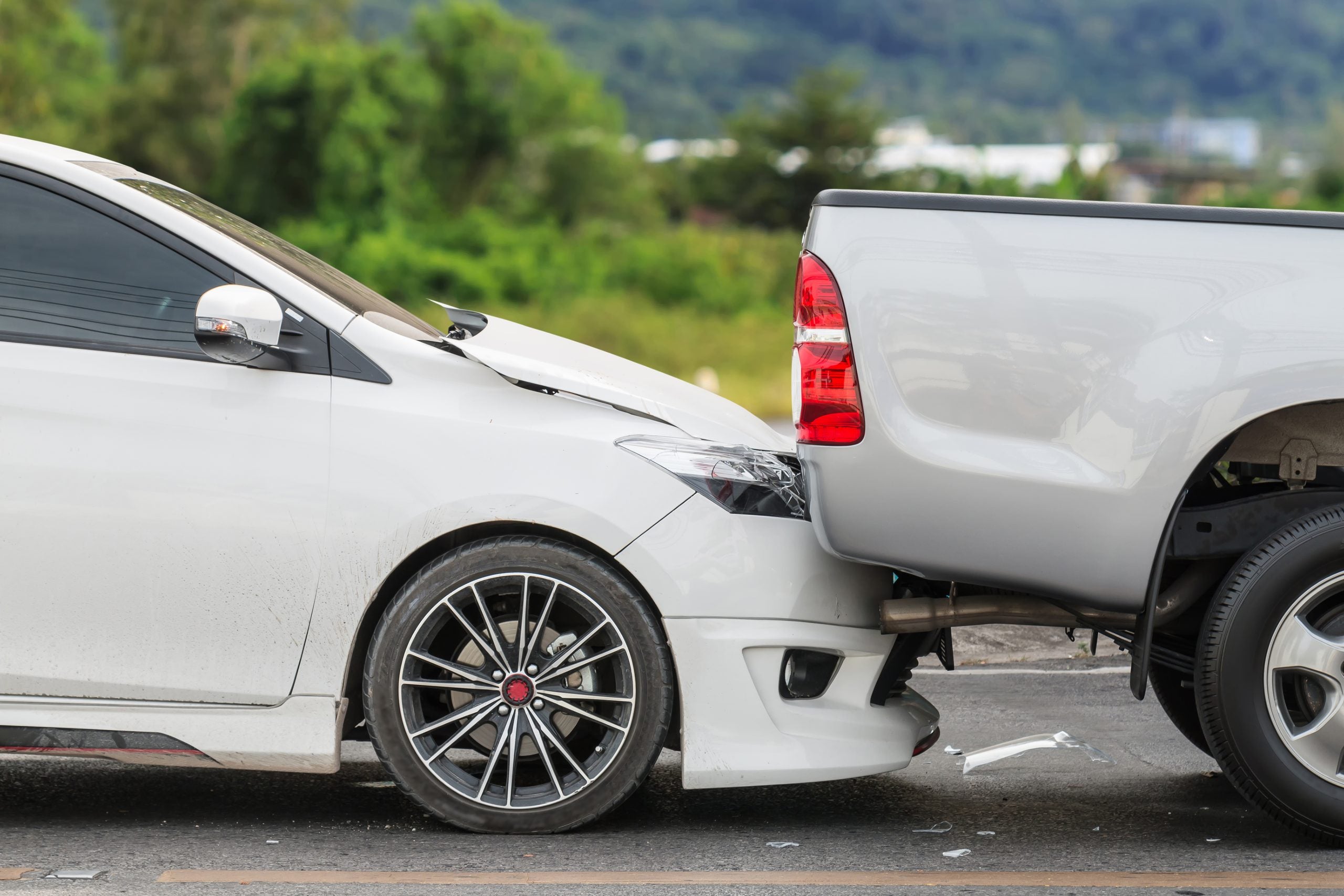
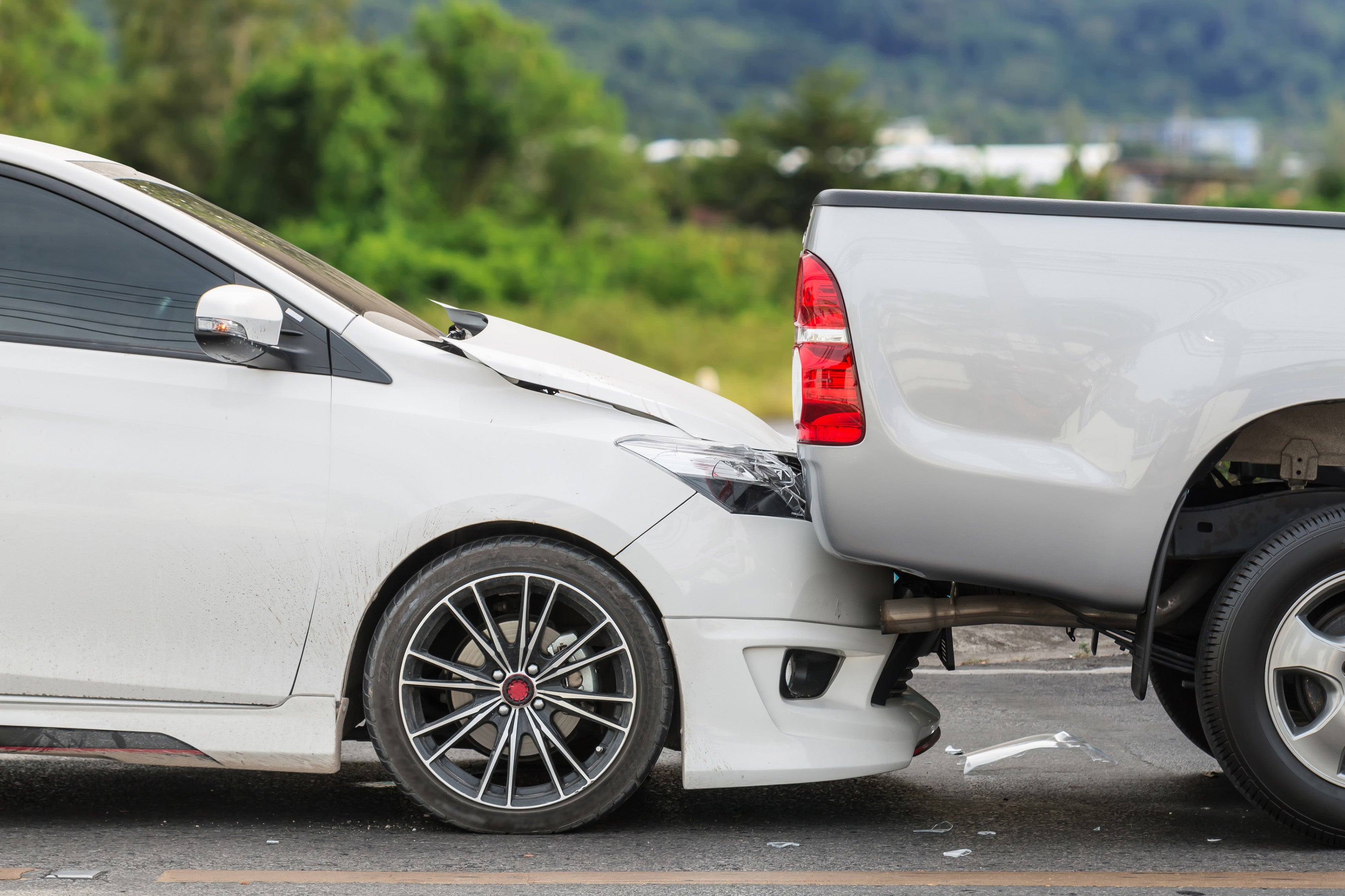
Not all damage is the same, so understanding how long collision repair takes for specific situations can be helpful. Here's a general breakdown:- Minor fender benders with cosmetic damage typically take two to four days.
- Moderate damage involving structural components or multiple panels can take one to two weeks.
- Severe damage - where the frame or safety systems are compromised - may require three weeks or more, especially when specialty parts need to be ordered.
Insurance approvals are another thing that can stretch the repair timeline. Once an adjuster reviews the vehicle and authorizes the work, repairs can officially begin, but that review process takes time.
Parts Availability and Its Impact on Collision Repair
One of the most common reasons for delays at any collision center is waiting on parts. Some vehicles, particularly newer models or those with advanced driver-assistance systems, may require parts that aren't stocked locally. When parts need to be shipped, that adds anywhere from a few days to over a week to the repair window.At a reputable shop handling collision repair, the team should communicate parts status clearly, so you're never left guessing. Proactive communication throughout the process makes a difference.
What You Can Do to Keep the Process Moving
There are a few simple steps that can help avoid unnecessary delays at any collision center. Getting your insurance claim filed promptly is one of the best things you can do. The sooner authorization is in place, the sooner technicians can start work.Providing accurate vehicle information and being responsive to calls from the shop also helps. If your insurance requires a specific inspection, scheduling that quickly prevents your repair from sitting in a queue waiting for approval.