



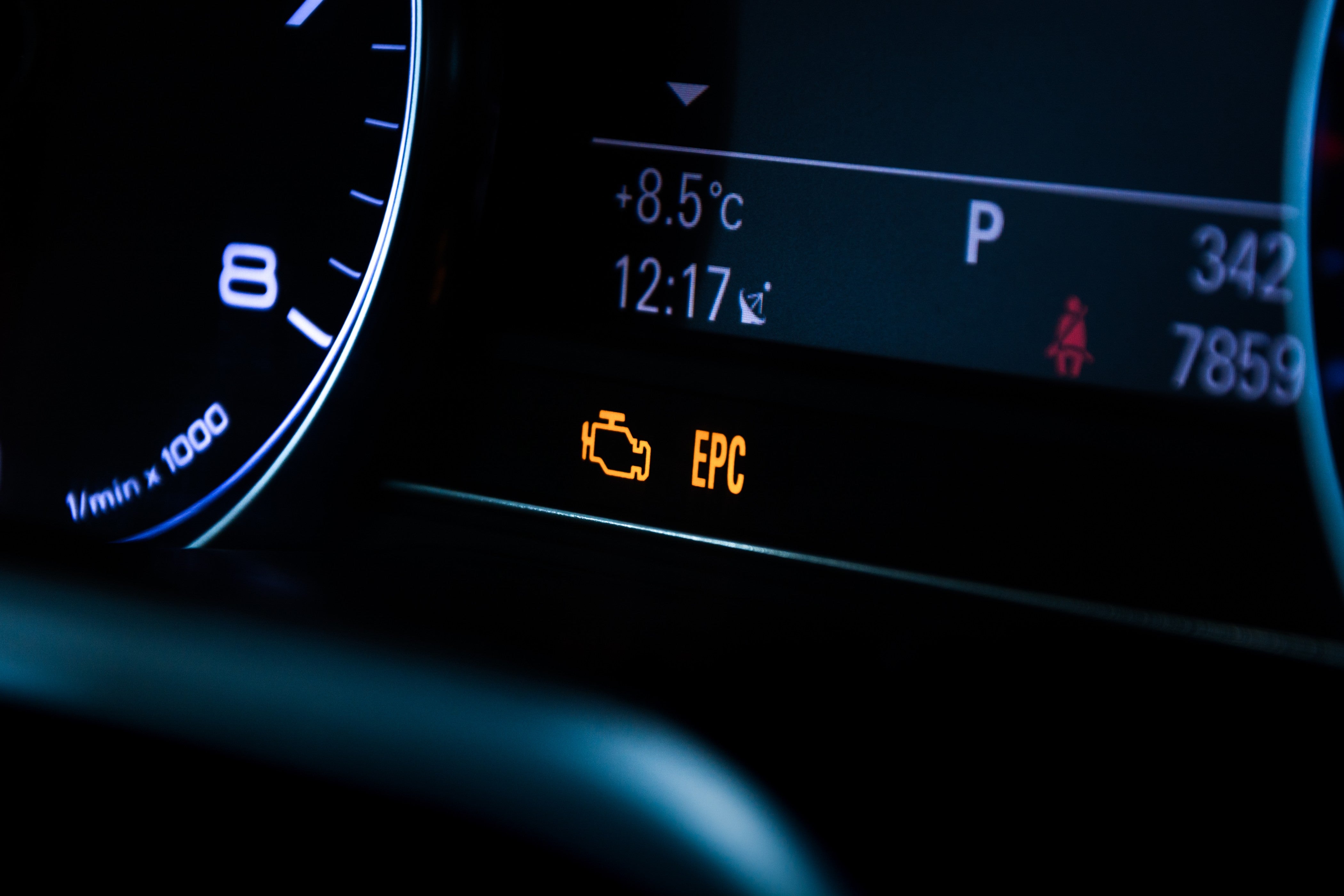
A warning light isn't there to decorate the dashboard. Your GMC monitors systems throughout the vehicle, and when something falls outside the expected range, that little illuminated symbol is often your first indication. Some GMC warning lights point to maintenance concerns that need attention soon. Others are telling you to stop driving before a problem becomes considerably more expensive. Knowing the difference can save you some trouble around Grants Pass.
Color Gives You the First Clue
The color of a GMC dashboard warning can help indicate its urgency, though the owner's manual should always be your reference for the specific symbol. Red warnings can indicate conditions requiring immediate attention, while yellow or amber indicators commonly identify something that needs to be inspected or serviced. Don't assume every yellow light means you can carry on indefinitely, though. A warning light is information, and ignoring information rarely improves a mechanical problem.
Know the Warning Lights You're Likely to See
The check engine light can illuminate for numerous reasons involving the engine, fuel, emissions, or related systems, so proper check engine light diagnostics may be needed to identify the cause. An oil-pressure warning is more urgent because insufficient oil pressure can put the engine at risk; if it illuminates while driving, stop safely and follow the guidance in your owner's manual. A battery symbol can indicate a charging-system problem, while the brake warning can appear for conditions involving the parking brake or braking system. The Tire Pressure Monitoring System warning identifies low tire pressure or, in some cases, a TPMS concern. Different symbols, different systems, and very different consequences if they're ignored.
A Diagnostic Code Isn't the Entire Diagnosis
Modern GMC service diagnostics can retrieve trouble codes stored by the vehicle's onboard systems, but finding a code is only the beginning. The technician still has to determine why that code appeared. Depending on the warning, that may involve testing components, checking electrical connections, inspecting fluid levels, or reviewing vehicle data. That's why simply clearing a check engine light doesn't repair anything. Professional vehicle diagnostics are intended to find the source of the warning so the correct service can be performed instead of replacing parts based on a guess.
Some Warnings Mean Stop, Others Mean Schedule Service
When a GMC warning light appears, identify the symbol and pay attention to how the vehicle is behaving. If you have a red warning, loss of power, unusual noises, smoke, overheating, or another significant change in operation, get somewhere safe and consult your owner's manual before continuing. Other warnings may allow you to drive to a GMC service center, but they still deserve timely attention. A check engine light, low tire-pressure warning, battery concern, or brake-system indicator isn't improved by spending another month glowing on the dashboard.
Routine Service Can Catch Trouble Before the Light Appears
Warning lights are valuable, but maintenance shouldn't begin only after one illuminates. Regular GMC service gives technicians opportunities to inspect the battery and charging system, brakes, tires, fluids, filters, and other components before a developing issue leaves you with a dashboard full of bad news. Keeping current with oil changes, tire service, brake inspections, battery testing, and factory-recommended maintenance can also provide a clearer picture of how your GMC is aging.
Schedule GMC Diagnostics in Grants Pass, OR
If a warning light has appeared in your GMC, Roe Motors can help determine what the vehicle is trying to tell you. Drivers around Grants Pass, OR, can schedule GMC service diagnostics, check engine light service, brake inspections, battery testing, tire service, and other maintenance through the service department. Pay attention to the warning, check the owner's manual, and get the problem properly diagnosed. The light is the messenger. Fixing what's behind it is the important part.